.png)


Why car enthusiasts need their own dedicated platform
- Chris Manski
- May 8
- 10 min read


TL;DR:
Mainstream social platforms are designed for wide audiences, but they lack the structure and focus car enthusiasts need. Niche automotive platforms provide searchable archives, organized events, and expert moderation, fostering stronger and more trusted communities. Engaging actively and genuinely in these dedicated spaces helps enthusiasts build credibility, share knowledge, and enhance their passion for cars.
Mainstream social platforms were built for everyone, which means they were built for no one in particular. For car enthusiasts, this creates a real problem. You post about your weekend cruise night, and it vanishes beneath a flood of unrelated content within hours. You try to organise a local meet through a Facebook group, and half the RSVPs fall through because the event notification got buried. Niche automotive forums like ADVRider attract 1.7 million visits per month, proving that passionate communities actively seek out spaces built specifically for them. The question is whether those spaces are giving enthusiasts everything they actually need.
Table of Contents
Key Takeaways
Point | Details |
Niche platforms boost engagement | Automotive forums deliver higher interaction and better event results than broad networks. |
Knowledge stays accessible | Dedicated spaces allow easy archiving and retrieval of advice, guides, and event recaps. |
True community requires participation | Credibility and value in car spaces are earned through regular, helpful involvement. |
Action beats visibility | Contributing and connecting on niche platforms delivers more than chasing likes or followers. |
The pitfalls of general platforms for car meetups
Now that we’ve set the stage, let’s look at the shortcomings of mainstream platforms for car enthusiasts.
General social networks were designed to maximise time on site, not to serve tight-knit communities with specific needs. For car lovers trying to organise events, share technical knowledge, or build lasting connections, this creates friction at every turn.
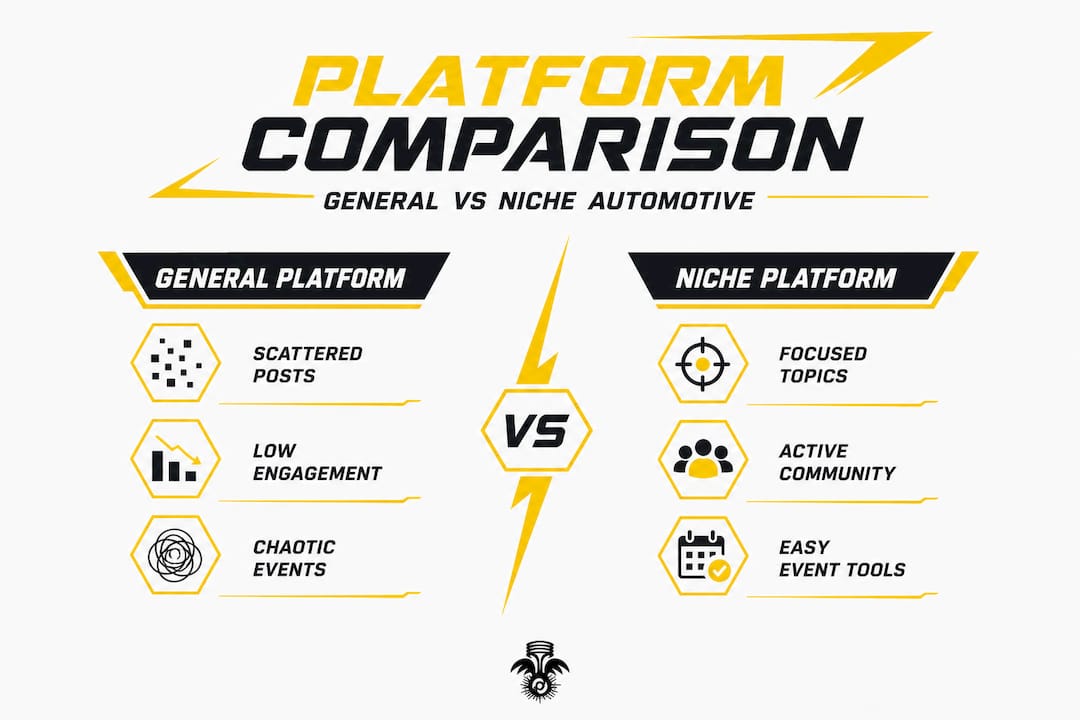
Information gets lost almost instantly. A post about a Sunday morning cruise, a question about suspension tuning, or a recommendation for a local workshop can disappear from view within 24 hours on a general feed. There’s no reliable way to pin critical information, categorise threads, or make past discussions searchable. This is a genuine loss for communities where accumulated knowledge has real value.
Event organisation is chaotic by design. Planning a car meet through a general platform typically involves scattered comment threads, duplicate RSVPs, and zero accountability. There’s no structured way to confirm attendance, share route details, or send targeted reminders to the right people. The result is poor turnout and frustrated organisers who put in significant effort for minimal return.
Here’s a snapshot of how general platforms compare to purpose-built automotive spaces:
Feature | General platforms | Niche automotive platforms |
Searchable content archives | Rarely available | Standard feature |
Event scheduling tools | Basic or absent | Purpose-built |
Expert moderation | Inconsistent | Community-led and focused |
Audience relevance | Broad and unfocused | Highly targeted |
Long-term knowledge retention | Poor | Strong |
The long decline of car forums on mainstream platforms has shown that without searchable archives and expert moderation, communities lose continuity. Newer members can’t access the wisdom of veterans, and experienced contributors stop bothering to share because their posts evaporate.
“The problem with general platforms isn’t just the noise. It’s that they have no memory. Every conversation starts from scratch, and the community never compounds its knowledge.”
Community fragmentation is another serious issue. On a general platform, your car community might be spread across three different Facebook groups, a subreddit, a Discord server, and a handful of Instagram hashtags. None of these talk to each other. There’s no single source of truth for upcoming events, no unified voice, and no way to build genuine trust across the group. Exploring how automotive social networks can consolidate this experience reveals just how much is being left on the table.
How niche platforms deliver value for car enthusiasts
Having outlined what’s missing from generic spaces, let’s highlight what makes niche platforms essential.
Purpose-built automotive platforms aren’t just a cleaner version of what already exists. They’re structurally different in ways that directly benefit enthusiasts, organisers, and even brands looking to connect with this audience authentically.
Engagement rates tell a compelling story. Niche forums consistently outperform general platforms on the metrics that actually matter. ADVRider, a dedicated motorcycle and adventure riding forum, attracts 1.7 million monthly visits with strong view-to-reply ratios that general platforms simply can’t match. Focused communities generate up to 25% higher conversion from views to active replies, because every visitor already cares about the subject matter.
Here’s a direct comparison of engagement quality:
Metric | General social platform | Niche automotive platform |
View-to-reply rate | Low (broad audience) | Up to 25% higher |
Content relevance | Mixed | Near 100% on-topic |
Event attendance accuracy | Unreliable | Structured and trackable |
Trust between members | Low | High, built over time |
Expert contributions | Diluted | Concentrated and valued |
Event tools make a tangible difference. A niche platform built for car enthusiasts can offer structured event scheduling, attendance confirmation, route sharing, and post-event recaps all in one place. Resources on hosting virtual car meets and organising automotive events demonstrate how much smoother the process becomes when the tools are designed for the task. Attendance improves, communication is clearer, and the overall experience feels more professional without losing the grassroots energy that makes car culture special.
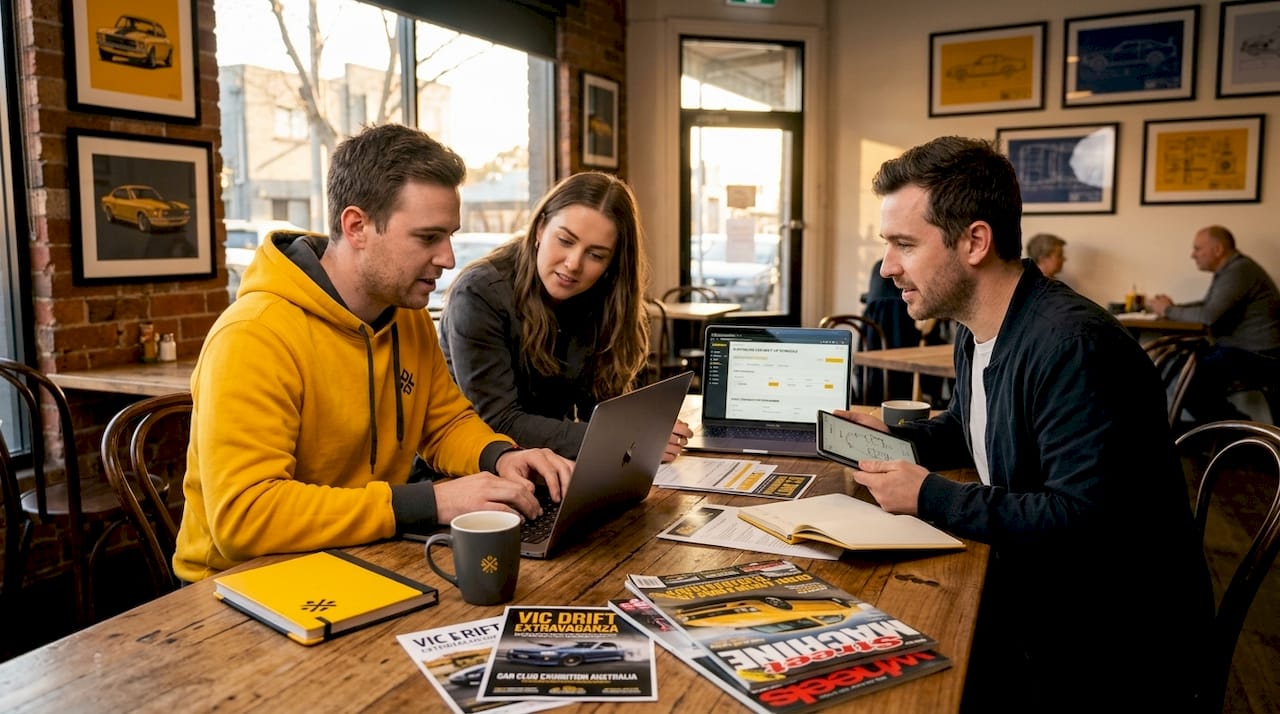
Expert moderation reduces noise and builds trust. On a general platform, anyone can post anything. On a well-moderated automotive forum, contributions are held to a higher standard. Moderators who understand the subject can identify misinformation quickly, guide newcomers toward reliable resources, and keep discussions focused. This creates an environment where people feel confident sharing their real experiences and asking genuine questions. Strategies for boosting event engagement consistently point to moderation quality as a key factor in community health.
Pro Tip: If you’re a brand or organiser entering a niche automotive space, resist the urge to promote immediately. Spend the first few weeks observing discussions, understanding what the community values, and contributing genuinely useful information. Trust is built slowly in tight-knit communities, and it’s worth far more than a quick promotional post.
The numbered steps below summarise how niche platforms deliver value in practice:
Centralise event discovery so members find everything in one place rather than hunting across multiple apps.
Archive discussions so knowledge accumulates and remains searchable for years.
Moderate with subject expertise to maintain content quality and community standards.
Facilitate direct connections between members with shared interests, vehicles, or local areas.
Provide structured event tools that handle RSVPs, reminders, and post-event follow-up.
Community, credibility, and practical expertise
With the structural advantages clear, let’s explore how true community and expertise are fostered on purpose-built platforms.
One of the most misunderstood aspects of online automotive communities is what actually builds credibility. It’s not follower counts. It’s not the number of posts. It’s the quality and consistency of contributions over time. This distinction matters enormously for both individual members and brands trying to connect with enthusiasts.
Credibility grows through regular, helpful contributions. The member who consistently answers technical questions accurately, shares honest event recaps, and helps newcomers find their footing earns genuine respect. This kind of reputation takes time to build, but it creates a foundation of trust that no amount of paid promotion can replicate. Niche communities reward participation, not broadcasting.
Stat to know: Niche automotive forums achieve up to 25% higher view-to-reply engagement compared to general platforms, reflecting how invested members are in the conversations happening around them.
Here are the key behaviours that build credibility in automotive communities:
Show up consistently. Regular contributors are remembered and trusted. Sporadic posting creates no lasting impression.
Share practical knowledge freely. Detailed write-ups about builds, repairs, or event experiences are enormously valued by other enthusiasts.
Acknowledge what you don’t know. Authenticity matters more than appearing to be an expert on everything.
Engage with others’ content. Commenting thoughtfully on someone else’s post is as valuable as creating your own.
Support local events actively. Attending, helping organise, and sharing post-event content strengthens community bonds in a way that online interaction alone cannot.
Brands and organisers earn respect by engaging, not pitching. The cultural power of niche communities is significant, but it’s easily squandered by brands that treat enthusiast spaces as advertising channels. The communities that welcome brand participation are the ones where the brand has already demonstrated genuine interest and value. Sponsoring a local cruise night, answering technical questions honestly, or sharing behind-the-scenes content from an event all build goodwill that translates into real loyalty.
Practical expertise also flourishes in tightly moderated spaces because the signal-to-noise ratio is so much better. When misinformation is corrected quickly and off-topic posts are redirected, the quality of remaining discussions rises significantly. Members who have genuine expertise are more likely to contribute when they know their input will be valued and not buried under irrelevant content. Building strong event calendars within these communities is one practical example of how expertise gets channelled into something the whole group benefits from.
Making the most of your dedicated automotive space
Now, let’s turn these community advantages into practical steps and strategies anyone can use.
Knowing that niche platforms are superior is one thing. Knowing how to actually get the most out of them is another. Whether you’re a seasoned enthusiast or someone just discovering the local car scene, these strategies will help you build a meaningful presence and get real value from your community.
Follow these steps to hit the ground running:
Complete your profile thoroughly. A detailed profile with your vehicle, interests, and local area helps others connect with you quickly. It signals that you’re a genuine participant, not a lurker.
Introduce yourself in the right spaces. Most dedicated platforms have introduction threads or local area groups. Use them. A simple post about your car and what events you’re keen to attend is enough to start building connections.
Use the event tools actively. Don’t just browse upcoming events. RSVP, share them with your network, and follow up with a post-event recap. This kind of participation is what thriving on automotive networks actually looks like in practice.
Archive your own knowledge. If you’ve done a significant build, completed a long road trip, or organised a successful meet, write it up in detail. These posts become valuable resources for the community long after the moment has passed.
Engage with event organisers directly. Reach out, offer to help, and ask questions. Organisers appreciate active members, and your involvement can shape future events in ways that benefit everyone.
Stay current with the community calendar. Bookmark the car event planning resources and check in regularly so you never miss a local meet or cruise.
Pro Tip: Don’t just consume content. The high engagement rates seen on platforms like ADVRider aren’t accidental. They’re the result of members who actively contribute stories, build reports, event recaps, and technical insights. Your experiences have value. Share them.
The best practices for meaningful participation can be summarised simply:
Prioritise quality over quantity in your posts.
Be generous with your knowledge and experience.
Support other members’ events, not just your own.
Stay respectful, especially when disagreements arise.
Treat the community as a long-term investment, not a quick resource to tap.
The uncomfortable truth about car communities online
We’ve tackled the practical side. Now here’s a frank assessment of the bigger picture.
Mainstream social networks have done something quietly damaging to car culture. They’ve made it easier than ever to broadcast, and harder than ever to actually connect. The metrics that these platforms optimise for, reach, impressions, and shares, are fundamentally misaligned with what enthusiast communities actually need, which is depth, continuity, and trust.
The decline of dedicated car forums over the past decade wasn’t inevitable. It happened in part because general platforms offered convenience, and convenience won in the short term. But the cost has been enormous. Communities that once accumulated decades of technical knowledge, event history, and genuine relationships have been scattered across platforms that don’t care whether that knowledge survives.
Here’s the uncomfortable part. Rebuilding on a niche platform requires effort. It’s not as easy as posting to a feed you already use. You have to seek out the right space, build a new profile, learn a new community’s norms, and invest time before you see returns. That friction puts some people off. But it’s exactly that friction that filters out the passive scrollers and leaves behind the people who actually care.
Niche platforms aren’t perfect either. They can become insular, resistant to new ideas, or dominated by a handful of loud voices. But these are problems that good moderation and intentional community design can address. They’re far more solvable than the structural problems baked into general platforms, where the algorithm will always prioritise engagement bait over genuine expertise.
The enthusiasts who are building real communities on purpose-built platforms, organising regular events, sharing honest knowledge, and welcoming newcomers with genuine warmth, are doing something important. They’re keeping car culture alive in a way that a thousand Instagram posts never could. Exploring alternatives built specifically for this community is a worthwhile first step for anyone who’s felt the limitations of general platforms and is ready for something better.
Discover a platform made for car enthusiasts
If you’ve felt the frustration of scattered Facebook groups, lost event posts, and communities that never quite gel, you’re not alone. The good news is that a better option exists right here in Australia.
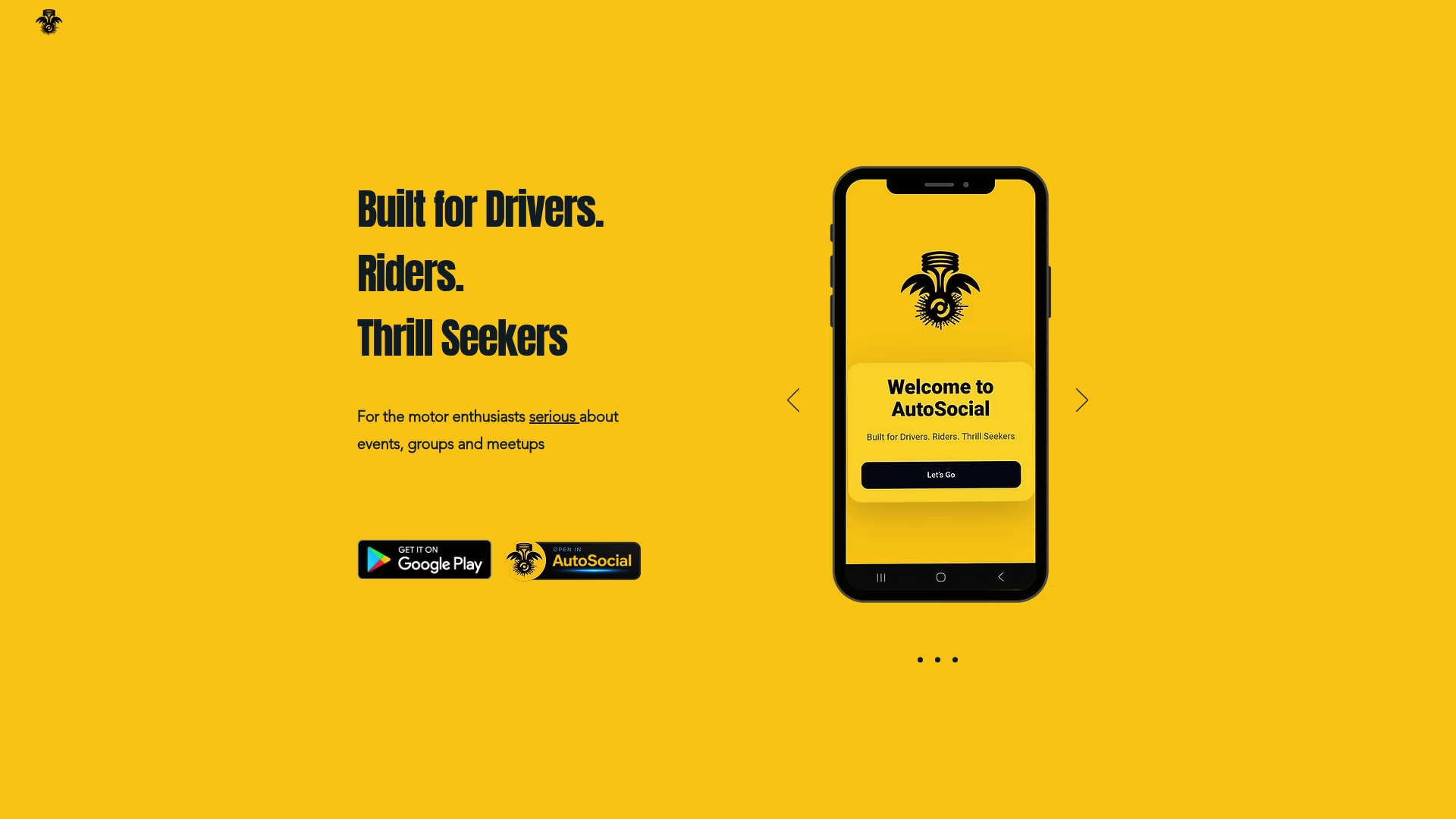
AutoSocial is built specifically for automotive and water sports enthusiasts who want more than a generic social feed. It brings event discovery, community connection, and organised meetups into one purpose-built space. Whether you’re looking to find your next local cruise night, connect with fellow enthusiasts in your area, or organise your own event with proper tools behind you, AutoSocial is designed to make that experience seamless. Dive deeper into how automotive social networks can transform the way you connect with your community, and see what a platform built for your passion actually feels like to use.
Frequently asked questions
What features should a dedicated automotive platform provide?
A good platform offers event planning tools, searchable archives, expert moderation, and community-driven discussions. As the decline of car forums has shown, without these features, community knowledge and continuity are quickly lost.
How do car-specific forums drive higher engagement?
Niche forums achieve up to 25% higher view-to-reply conversion rates thanks to focused content and active participation from members who are genuinely invested in the subject matter.
Why is expert moderation important for car communities?
Expert moderation improves content quality, tackles misinformation quickly, and helps newcomers participate confidently. Searchable archives and moderation together prevent the knowledge gaps that plague general platforms.
How can brands succeed in niche automotive spaces?
Brands thrive by listening, contributing authentically, and focusing on value before promoting their products. The cultural power of niche communities rewards genuine participation far more than paid visibility ever could.
Recommended


Comments